Kinship, Sanctuary, Voice: Indigenous Guidance for COP through Natural Rights

Firelight Before the Conference
On a windless evening by a tidal creek, an older woman pinched out the lamp and let the moon light the circle. Children leaned in; a fisherman set down a net; a midwife warmed her hands. She began with the story her grandmother told of the river that is an elder, of bread shared with a traveler, of a chief who lost his seat because power is borrowed from the people and the earth. Every face around the circle knew the endings before she spoke to them. The lesson wasn’t written in a book. It lived in how they fetched water, how they greeted strangers, how they decided together when to fish and when to let the mangroves breathe.
Centuries later, ministers will gather under LED lights and nameplates. They will speak of budgets, targets, and facilities; they will debate commas that move billions. Yet the heart of what they seek life first, refuge for the displaced, guardianship of rivers and forests, voice in common decisions was already there by that tidal creek. Among the four pillars of Natural Right, one stands like a torch in that moonlit circle: Indigenous Knowledge and culture. It is not an archive of quaint customs. It is a living system that keeps memory of floods and winds, maps safe ground and sacred groves, and binds freedom to duty. If this pillar had been heeded everywhere, the alarms might have been smaller; let COP30 take its cue from it.
The Stranger at the Door
A traveler approaches at dusk. In many shores the guest is sacred. From one strand of memory: Greco-Roman myth & lore speaks of Xenia (sacred hospitality); Stoic ius natural later and tells how Zeus Xenios punishes host-abuse; Antigone’s burial claim; what follows is a claim to Safety of strangers, burial, speech before assemblies and the warning that Gods curse oath-breakers; hubris draws nemesis. In the high north, Norse tales remember Thing assemblies and oaths, and how Tyr’s sacrifice to bind Fenrir, oath-keeping protects a people’s Voice at assembly, wergild for harm, while Oath-breakers cursed; vengeance cycles when justice fails. Across deserts and gardens, Hebrew Bible narratives ground worth in Human dignity from imago Dei, with Prophets denounce seizure of Naboth’s vineyard, naming the claims Protection of life/property, care for widows/foreigners, guarded as Covenant law; kings judged by justice to the poor.
At COP30, let this guest-right breathe in modern form: identity that travels with the person, school and clinic access that switch on without delay, financing that follows the displaced household. Hospitality becomes policy.
Bread Before Tribute
When hunger enters the courtyard, the counting of coins pauses. Ancient Egypt teaches that Ma’at (truth/order) binds rulers, shows the Weighing of the heart before Osiris, and grants people Fair dealing, protection of the weak, guarded as Pharaoh must uphold Ma’at; injustice threatens cosmic balance. In the floodplains between two rivers, Mesopotamia looks to divine justice through Shamash; Epics invoke gods against oppression; people can claim Relief from cruelty, fair judgment; King’s duty under the sun-god; floods/omens punish tyranny. In chronicles that mix myth and statecraft, Chinese (myth-history blend) rests legitimacy on the Mandate of Heaven for just rule; Founders like Yao/Shun chosen for virtue; people claim Protection from predatory rulers; Heaven withdraws mandate; rebellion gains legitimacy.
Translated to our century, this is a plain rule: life-saving adaptation comes as grants. When a storm rips roofs, the first line after the disaster cannot be interest. COP30 can write it simply: when hazard hits, money moves fast and no one sends a bill for surviving.
Rivers as Relatives
In many stories, rivers have names like people do. Forests are kin. Māori (Aotearoa) name Kaitiakitanga (guardianship); Rivers, forests as kin (taniwha, atua); communities hold Access to water/food grounds as ancestral right; Tapu and tikanga regulate use; breach invites calamity. In the high valleys, Andean (Quechua/Aymara) memory binds Ayni (reciprocity), Pachamama; Earth as mother; mountain spirits; the claim becomes Use of land/water with duties to nature; Ritual obligations; misusing nature brings crop failure. Across the plains and forests, Native North American (various) stories see Earth as kin; Turtle Island; Trickster tales that punish greed; people hold Shared access, council voice, hunting taboos; guarded by Council law, clan sanctions, spiritual retribution. In West Africa, Yoruba (West Africa) speak of Ori (innate personhood/destiny); Orishas defend the wronged; the claim is Respect for personhood, restorative justice; balance returns as Community rituals and divination correct imbalance. The Akan (Ghana) treat the Stool & lineage as sacred trust; Founding myths on stewardship; Communal land as inheritance to all lineages; and Chiefs lose legitimacy for abusing trust.
At COP30, translate kinship into design: recognize legal standing for living ecosystems, seat community guardians at the approval table, treat projects that scar critical habitats as mistakes, not climate wins.
The Circle and the Ledger
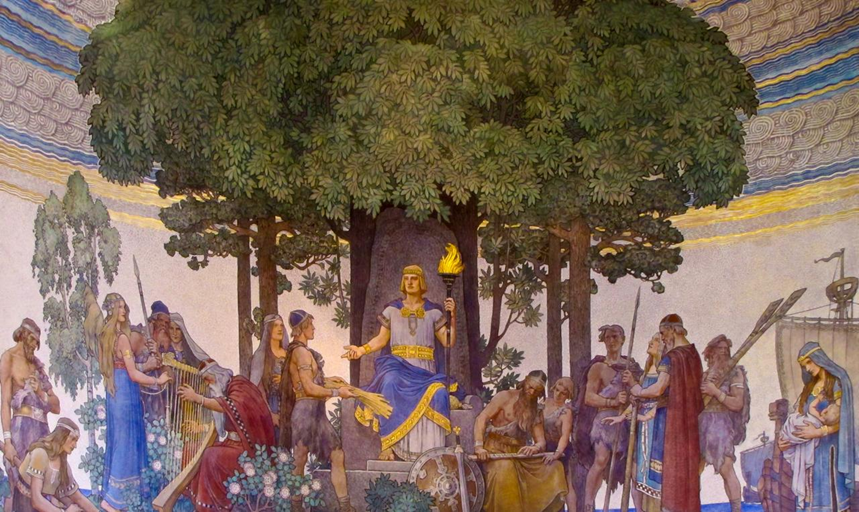
Decisions often happen in circles elders under a tree, a town assembly, a ring of paddles on the beach. Southern African (Ubuntu) says personhood grows through relational dignity; Ancestral tales of shared survival; people claim Care, hospitality, reconciliation; guarded by social sanctions; elders arbitrate to restore harmony. The Norse circle the Thing returns here with assemblies and oaths, a people’s Voice at assembly and the accounting of harm through wergild. The Akan stool room and Yoruba divination house remind us that stewardship and personhood are public trusts, not private trophies.
In the bright halls of COP30, the circle can have a seat: free, prior, and informed consent; participatory budgeting; direct access for local councils, women’s cooperatives, Indigenous institutions; a public portal that shows grant shares by district and days from trigger to payout.
Mercy, Restraint, and the Oath Against the Lie
Stories also teach restraint toward every living being. Buddhist Jātaka tales hold to radical non-harm and compassion; Bodhisattva protects animals and outcasts; a Right to life, mercy for the vulnerable; and Karmic law rewards compassion, censures cruelty. Jain stories stretch Ahimsa to all beings; Kings repent after harming creatures; a Right of all life to exist; Vows restrain power; penance restores order. In the epics, Vedic/Hindu thought grounds Ṛta/Dharma as moral law of cosmos; Ramayana & Mahabharata trials of rule; people claim Shelter, fair rule, guest-rights, non-harm; Kingship bound to dharma; adharma brings ruin. And every tradition warns against the lie that power tells itself: Zoroastrian teaching contrasts Asha (truth/order) vs. Druj (lie); Ahura Mazda’s order favors right conduct; people claim Security of honest labor, truthful dealing; Cosmic struggle; liars/tyrants stand with Druj.
Honor in climate finance looks like this: rules that bind money to right conduct. Automatic disaster clauses that pause and restructure debt when hazards cross a threshold. Independent community audits. No climate label for projects that harm living buffers like mangroves.
A Walk from the Creek to Belém
Picture the older woman ending her story with a quiet refrain: life first, the guest is safe, rivers are kin, decisions belong to the people. Now picture a minister in Belém speaking a paragraph shaped by that refrain and by Indigenous Knowledge and Culture the pillar that keeps the ember alive:
We commit a grant floor for life-saving adaptation in LDCs and SIDS.
We activate disaster clauses that stop debt clocks when hazards strike.
We recognize guardians for living ecosystems and give them a vote on projects that touch their kin.
We route a fair share directly to local institutions and publish, for all to see, how and where the money moves.
This is not nostalgia. It is a practical path lit by old torches. COP30 doesn’t need to replace science or budgets; it can give them a compass drawn from Ma’at, Shamash, Xenia, imago Dei, Asha, Dharma, Jātakas, Ahimsa, the Mandate of Heaven, the Thing and its oaths, Ori, the Stool, Ubuntu, Ayni and Pachamama, Kaitiakitanga, and Turtle Island.
The Ending That Begins Again
The circle by the creek breaks for the night. Nets are gathered, the midwife leaves for a call, the children carry the embers to a clay pot. Morning will bring work checking the tide, tending nursery trees in the mudflats, mending a roof.
In the conference hall, morning will bring clauses and tables. Let them carry the same ember. If COP30 takes inspiration from these traditions, then the numbers on the screen will mean more than targets. They will mean that a guest finds shelter without a fee, a flood payout arrives before mold, a river has a guardian with an actual vote, and a girl in a heat-prone settlement sits in a cool classroom learning the stories herself.
The old torch becomes new light. The fire travels quiet, steady from the tidal creek to the plenary floor. And in that glow, Natural Right is not theory. It is Tuesday afternoon going better than last year.


Comments